
Reviewed · WANAKA TOURS
Māori Whakatau Welcome
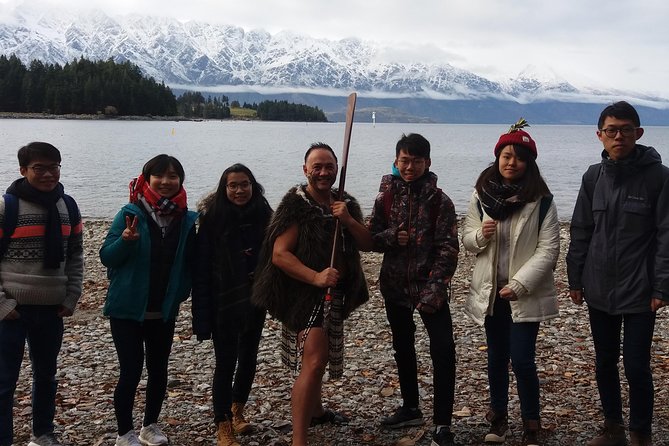
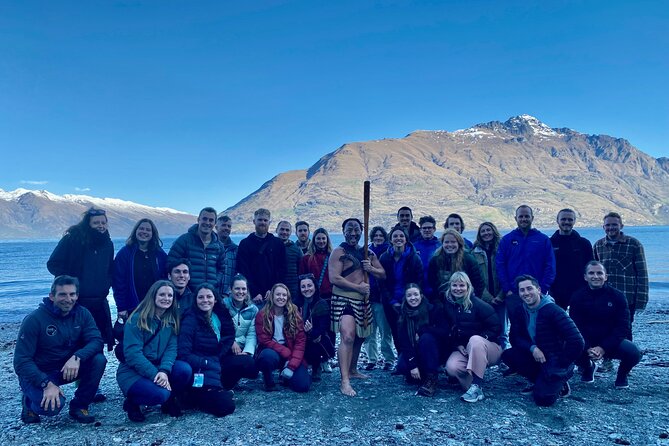
A Māori warrior greeting you with a taiaha is a memorable way to begin a New Zealand trip. This pōwhiri, or formal welcome, takes place beside Lake Wanaka and moves from the wero challenge through speeches and other welcome elements, turning strangers into whānau, or family.
I like the setting and the timing. You get a meaningful introduction to Māori culture without giving up a full day, and you can choose a morning or afternoon session. I also like that guide Joe has been singled out for being helpful and engaging, with children enjoying the experience too. The main point to check is the bone carving: the description says you can take one home, but the inclusions list it as an extra, so confirm exactly what your booking covers.
In This Review
- Key points to know before you book
- Why a pōwhiri makes a strong first New Zealand activity
- Beginning with the wero and taiaha
- Lake Wanaka as part of the welcome
- What the 45-minute itinerary feels like
- The people behind the welcome
- What you take home, and what to confirm
- Is the $31.03 price good value?
- Who should book this experience?
- Booking details worth checking first
- Should you book the Māori Whakatau Welcome?
- FAQ
- Where does the Māori Whakatau Welcome take place?
- How long does the experience last?
- What time does the activity start?
- What happens during the pōwhiri?
- What Māori values are discussed?
- Is transportation included?
- Is the Māori bone carving included in the price?
- Can I cancel for a full refund?
Key points to know before you book
- A 45-minute pōwhiri beside Lake Wanaka: The experience links Māori customs with the local setting rather than placing the welcome in a museum or classroom.
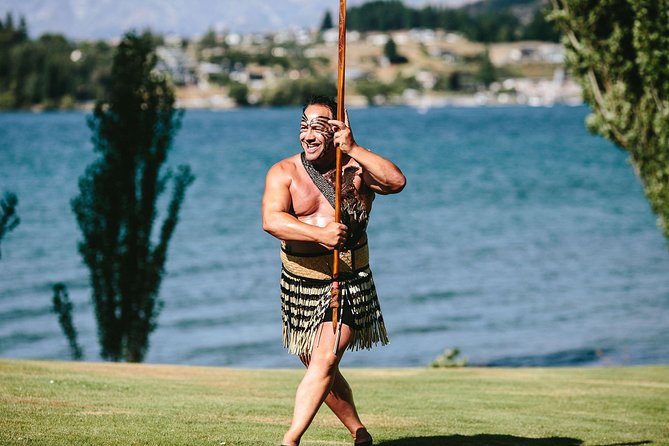
- A wero with a taiaha: A Māori warrior begins the ceremony with the traditional challenge, giving the welcome a formal and striking opening.
- Manaakitanga and kaitiakitanga: You learn about hospitality and guardianship of the land, two ideas central to the WanaHaka experience.
- Morning or afternoon scheduling: A 9:30 a.m. start is available, and the experience can also be arranged later in the day.
- A small-group format: The maximum is 30 people, large enough for energy but still manageable for a short cultural presentation.
- Possible Wanaka or Queenstown location: Email ahead if you have a firm preference, since the pōwhiri can take place in either town.
Why a pōwhiri makes a strong first New Zealand activity
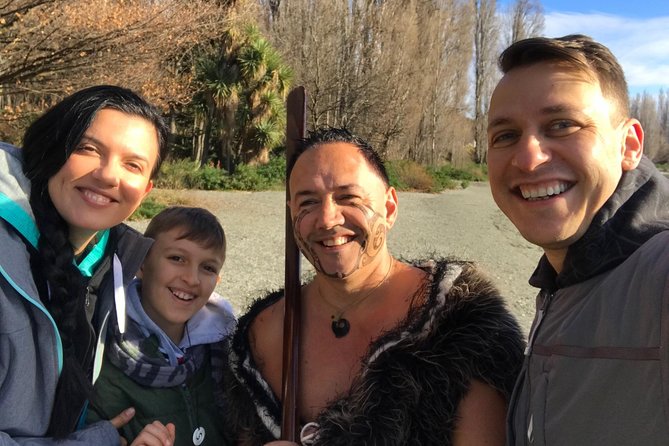
A pōwhiri is not simply a short performance with Māori words added for atmosphere. It is a formal process of receiving visitors onto the whenua, or land. The opening wero, or challenge, marks the visitors as unknown to the hosts. The welcome then progresses through speeches and other steps until both sides are accepted as connected.
That structure gives this experience a clear purpose. You are not just watching a cultural display. You are being received, introduced to local Māori values, and asked to think about your relationship with the place you have come to visit.
The welcome focuses on manaakitanga, meaning hospitality and care for people, and kaitiakitanga, meaning guardianship of the land. Those ideas work especially well beside Lake Wanaka, where the setting helps connect people and place. You hear about local iwi, or tribe, and their responsibilities as kaitiaki, or custodians.
I find this more useful than trying to pick up Māori culture in scattered pieces from signs and guidebooks. A short ceremony cannot explain everything, but it gives you a framework for understanding later encounters with Māori names, customs, and ideas about land.
A few more Wanaka days out worth weighing up
- Wildwire Wanaka- Level 2 (4 Hours)
★ 5.0 · 467 reviews - Bike the Wanaka and Hawea Trails
★ 5.0 · 346 reviews - Lake Wanaka Happy Hour Cruise
★ 4.6 · 313 reviews
Beginning with the wero and taiaha
The ceremony starts with a wero, a challenge delivered by a Māori warrior carrying a taiaha. This is the most visually dramatic part of the welcome, but it has a serious cultural role. The challenge acknowledges that you are arriving as strangers and establishes the formal relationship between host and visitor.
You should expect to pay attention and follow the guidance given by the host. This is not the moment for casual chatter or for treating the taiaha as a prop. The wero sets the tone for the rest of the pōwhiri, which is respectful, focused, and ceremonial.
For children, this opening can make the experience easier to understand. A formal explanation of Māori customs may feel abstract, while a warrior with a taiaha immediately shows that something important is happening. The family-friendly format is useful here, especially since children aged 16 and under receive a discounted rate.
The ceremony then moves through the key elements of the welcome. The exact order and content can vary, but the stated aim is clear: by the end, the group is no longer treated as strangers. The welcome creates a connection between the people arriving and the people receiving them.
Lake Wanaka as part of the welcome
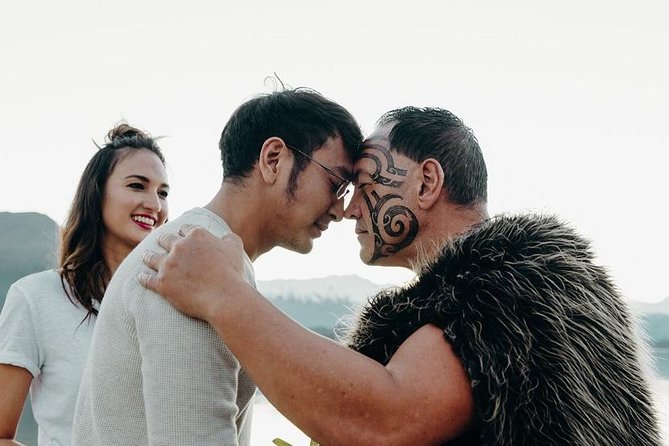
The location is more than a pleasant background. The pōwhiri is designed to connect you with both the people and the land of Wanaka and Queenstown. Holding it on the shores of Lake Wanaka gives the discussion of guardianship a direct setting.
You are looking at a place that has meaning beyond its postcard appeal, while hearing about the responsibility to care for it. That pairing makes the idea of kaitiakitanga easier to grasp. The lake is not presented only as scenery for photographs. It becomes part of the cultural setting for the welcome.
The activity is listed at Lake Wanaka, but WanaHaka can also conduct the pōwhiri in Queenstown. If location matters to your plans, send an email before booking or as soon as possible to state your preferred town. Do not assume that a Wanaka booking automatically means the ceremony will take place there without checking.
There is also a practical weather consideration. The experience requires good weather, so a poor forecast can lead to a new date or a full refund. That is sensible for an outdoor welcome, but it means you should avoid placing this activity in the only narrow gap of an otherwise fixed schedule.
What the 45-minute itinerary feels like
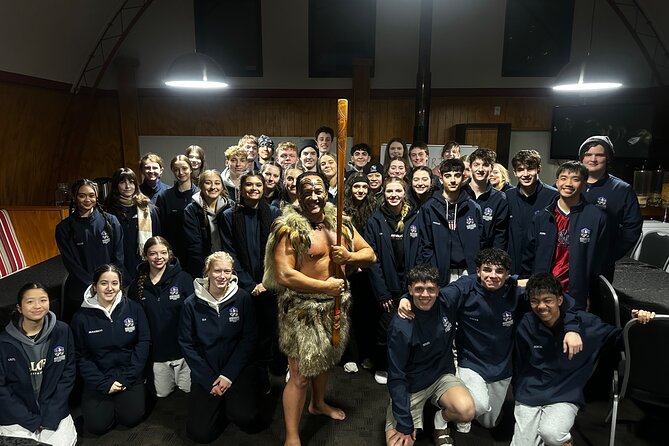
The listed duration is about 40 minutes to one hour, with the main itinerary described as 45 minutes. That is a useful length for a first cultural activity. You have enough time for a complete welcome, but you are not committing half a day when you may also want to see the lake, visit nearby sights, or continue driving through Otago.
The experience starts at the meeting point. Private transportation is included, although the available information does not explain the vehicle, pickup range, or exact transfer arrangement. Ask for those details if you need transportation from a particular hotel or address.
Once the group is assembled, the wero begins. The ceremony then progresses through the welcome, including the mihi whakatau, or welcome speech. You learn about the local iwi and the meaning of their role as kaitiaki. The final effect is intended to be a shift from unfamiliarity to connection.
The small-group limit is 30 people. That is not an intimate one-family ceremony, and you should keep that in mind if you want a completely private setting. Still, 30 is a reasonable cap for a short presentation, allowing the guide to address a group without turning the event into a large coach-style production.
The meeting point is also the end point. The stated start time is 9:30 a.m., while the overview indicates morning and afternoon options. Confirm the exact time and location when you book, especially if you are choosing Queenstown instead of Wanaka.
Something different, still within reach of Wanaka:
- Small Group Jet Boat Adventure on the Clutha River from Wanaka
★ 5.0 · 302 reviews - Wanaka: Water Taxi & Mou Waho Island Tour
★ 4.8 · 299 reviews - Cardrona High Country Pub Trail Horse Trek (Intermediate level+)
★ 5.0 · 269 reviews - Queenstown: Small Group Mt Cook Day Tour
★ 4.7 · 262 reviews
The people behind the welcome
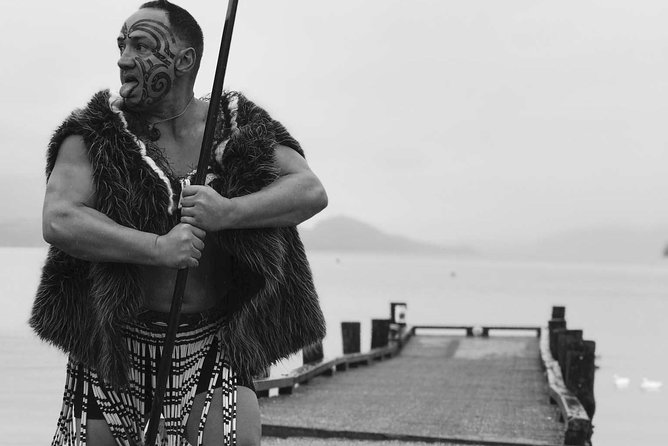
Guide Joe is worth noting because the experience depends heavily on the person leading it. The available feedback specifically describes him as helpful and a great person to spend time with, and it points out that he connected well with children.
That matters in a ceremony where explanation is just as important as presentation. You need someone who can make the meaning clear without reducing the welcome to a quick show. Joe’s reported strength with families suggests that parents should not assume this is too formal or difficult for younger members of the group.
At the same time, the experience is about Māori customs rather than a single guide’s personality. You should approach it with respect and allow the ceremony to set the pace. It is not designed as a loud, joke-filled attraction. The value comes from listening, observing, and understanding why the steps are carried out.
The provider is WanaHaka Wine Tours Māori Culture. The experience description places particular emphasis on manaakitanga and kaitiakitanga, so those are the ideas to listen for as the ceremony unfolds.
What you take home, and what to confirm
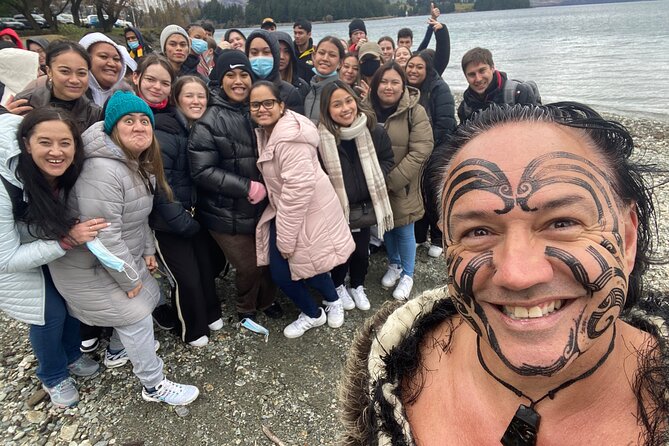
A Māori bone carving is presented as a memorable keepsake from the pōwhiri. A carving can give you a physical reminder of the welcome and the cultural ideas discussed during the ceremony. It is more meaningful than an ordinary logo souvenir because it is tied directly to the event.
However, the booking details are inconsistent. One part says you can take an authentic Māori bone carving home, while the inclusions section lists the authentic Māori bone carving as not included. A WanaHaka tea towel is also listed as an extra, and souvenir photos are available to purchase.
I would contact the provider before paying if the carving is important to your decision. Ask whether it is included in the $31.03 price, whether it is an optional purchase, and what type of carving is supplied. Do not build your budget around receiving one automatically until that point is clear.
The same advice applies to photographs. They are not included, so you should expect to pay separately if you want official souvenir photos. You can still treat the ceremony itself as the main purchase, with the carving and tea towel as optional additions.
Is the $31.03 price good value?
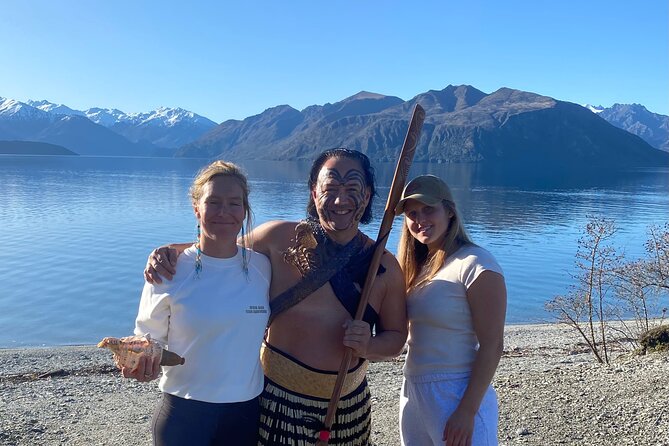
At $31.03 per person, this is priced as a short cultural introduction rather than a full-day cultural tour. The value depends on what you want from your time around Wanaka.
I think the price is reasonable if you want a focused welcome that gives context to the rest of your New Zealand trip. You receive a formal pōwhiri, instruction about Māori values, a local connection to Otago, and private transportation. The experience also works well at the start of a trip, when you are still getting your bearings and want something more meaningful than a standard sightseeing stop.
The value is less obvious if you are only looking for a scenic activity or a long cultural program. Forty-five minutes passes quickly, and the ceremony is the complete product. It does not promise a full museum visit, extended storytelling session, meal, or several attractions.
Children aged 16 and under pay a discounted rate, which improves the family calculation. Since the activity has received a 4.9 rating from 72 ratings and is recommended by 99 percent of participants, the price appears to match what many people expect from this kind of short experience. Those figures do not remove the need to check the carving cost or transport details, but they do indicate strong satisfaction overall.
Who should book this experience?
I would recommend it to you if you want a respectful introduction to Māori culture and have about an hour available in Wanaka or Queenstown. It is particularly well suited to families, first-time visitors to New Zealand, and people who prefer meeting local cultural hosts rather than only reading about traditions.
It also fits neatly into a morning or afternoon itinerary. You can choose the 9:30 a.m. start or ask about an afternoon pōwhiri, then continue with other plans. The short duration makes it easier to combine with sightseeing, though you should allow extra time if private transportation involves a transfer.
This may not suit you if you want a highly interactive workshop, a long discussion, or a large collection of cultural activities in one booking. The available details describe a formal welcome, not a carving lesson or a full cultural village program.
You should also think about tone. A pōwhiri is a ceremony, not merely entertainment. If you are willing to listen and take the welcome seriously, the short format can still leave a strong impression.
Booking details worth checking first
Confirmation is provided when you book. Children must be accompanied by an adult, and most people can participate. Service animals are allowed.
The group maximum is 30 people. Free cancellation is available up to 24 hours before the local start time. Cancel later than that, or make changes within 24 hours, and the amount paid is not refunded.
The activity can be canceled for poor weather or because the minimum number of participants is not reached. In those cases, you are offered another date or experience, or a full refund. Since the ceremony depends on outdoor conditions, keep a little flexibility in your schedule.
Most importantly, confirm three points:
- The exact Wanaka or Queenstown location
- The pickup and private transport arrangement
- Whether the Māori bone carving is included or costs extra
Should you book the Māori Whakatau Welcome?
Book this if you want a short, respectful cultural introduction at the beginning of your New Zealand visit. The wero, taiaha, lake setting, and focus on manaakitanga and kaitiakitanga give the experience a clear purpose. Families should find the 45-minute format manageable, and guide Joe’s warm approach makes it a sensible choice with children.
I would hold off only if you need a fully private ceremony, a long cultural program, or certainty that the bone carving is included without asking. For everyone else, this is a well-priced way to begin your time in Otago with a welcome that connects people, place, and responsibility.
FAQ
Where does the Māori Whakatau Welcome take place?
The pōwhiri can take place in Wanaka or Queenstown. Lake Wanaka is the listed location, but you should email ahead with your preferred town.
How long does the experience last?
The experience lasts approximately 40 minutes to one hour. The itinerary gives a duration of about 45 minutes.
What time does the activity start?
A 9:30 a.m. start is listed. Morning and afternoon pōwhiri options are also available, so confirm the exact time when booking.
What happens during the pōwhiri?
The welcome begins with a wero, or challenge, delivered by a Māori warrior with a taiaha. It then continues through the key elements of the pōwhiri, including a mihi whakatau, or welcome speech.
What Māori values are discussed?
The experience focuses on manaakitanga, meaning hospitality, and kaitiakitanga, meaning guardianship of the land. It also introduces you to the local iwi and their responsibilities as kaitiaki.
Is transportation included?
Private transportation is included. The supplied details do not specify the pickup area or vehicle arrangements, so ask the provider for those details.
Is the Māori bone carving included in the price?
The information is inconsistent. The description says you can take an authentic Māori bone carving home, while the inclusions list says it is not included. Confirm this directly before booking.
Can I cancel for a full refund?
Yes. You can cancel for a full refund up to 24 hours before the experience start time. Poor weather or failure to reach the minimum number of participants may also result in a new date or a full refund.
Just added around Wanaka
- Wanaka: Afternoon Boutique Wine Tour★ 5.0 · 3 reviews
- Wanaka: Rob Roy Glacier Guided Hike with Lunch★ 5.0 · 3 reviews
- Wanaka Breweries E-Bike Tour★ 5.0 · 3 reviews
- Introduction to Wanaka Rock Climbing – Half Day★ 5.0 · 3 reviews
- Mou Waho Island Cruise & Self-Guided Nature Walk★ 4.5 · 3 reviews
- Lake Dunstan Trail eBike Adventure (inc Shuttle)★ 5.0 · 4 reviews
- Ultimate Lake Dunstan Bike Hire, Shuttles And Boat Return★ 5.0 · 4 reviews
- Wānaka: Helicopter Scenic Flight Wānaka Experience★ 5.0 · 4 reviews
Wanaka Tours, compared.

Small Group Jet Boat Adventure on the Clutha River from Wanaka
Read our review →

Cardrona High Country Pub Trail Horse Trek (Intermediate level+)
Read our review →
Browse the lists this tour appears in